Notes from building AI systems in production — agents, retrieval, and the engineering around them.
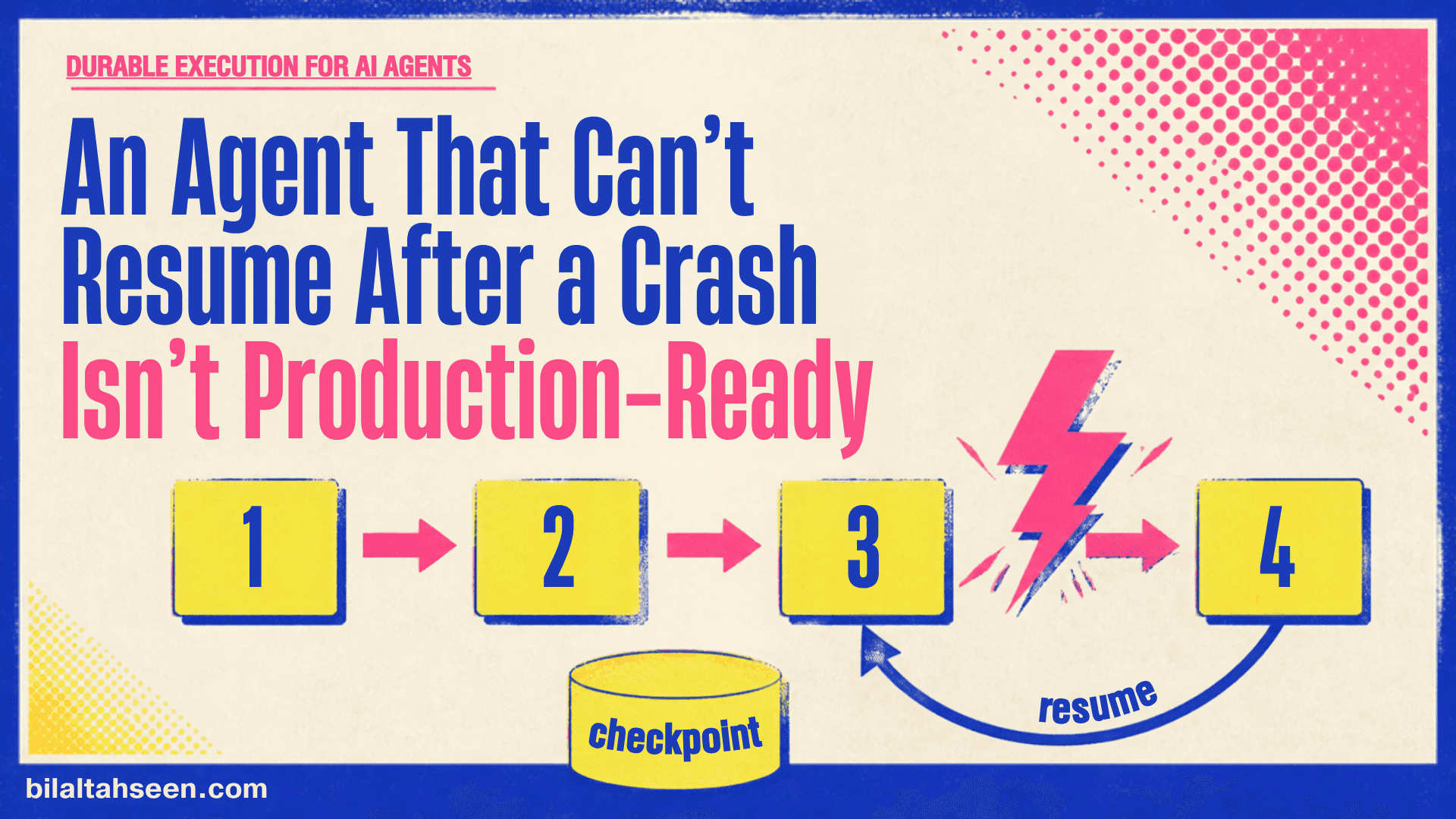
Long-running agents crash mid-run: deploys, OOMs, rate limits, a human who answers two days later. Here's the checkpoint store, idempotency keys, and effect ledger I build so a resumed run never double-sends or double-charges.
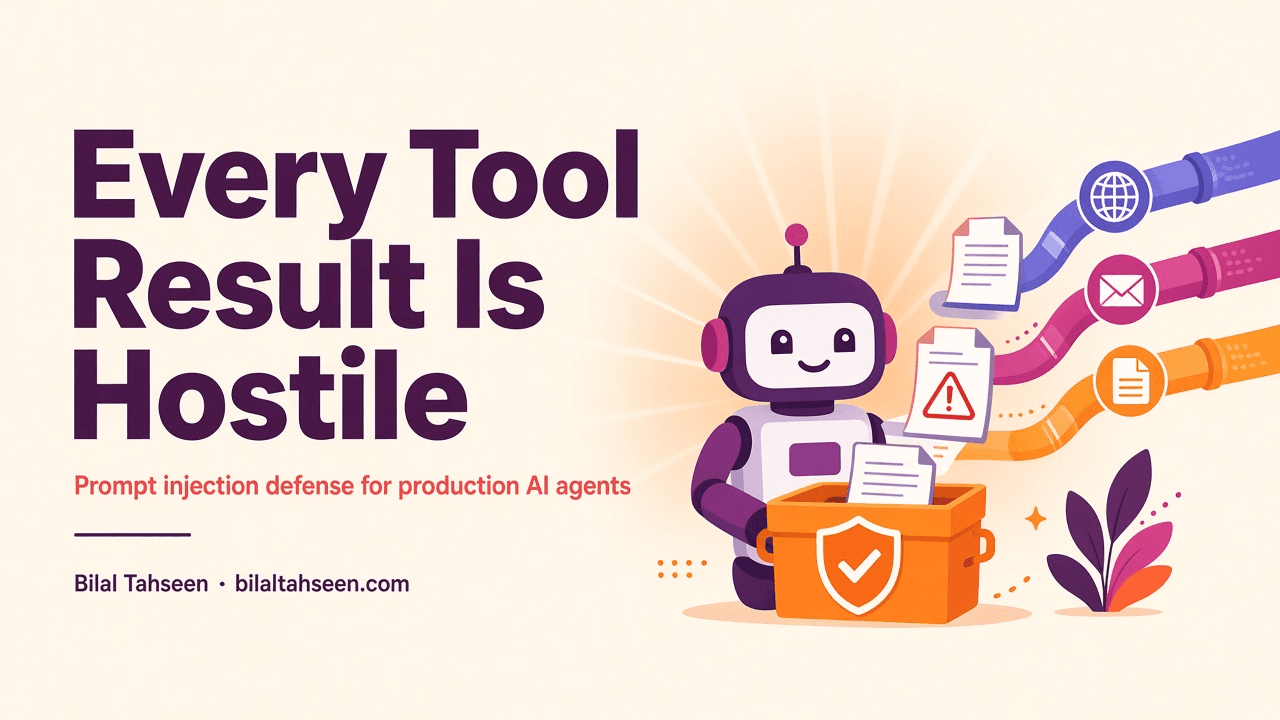
Indirect prompt injection rides in through web pages, emails, and docs your agent reads. A system-prompt warning won't stop it. Here's the untrusted envelope, taint tracking, and capability gate I build so poisoned tool output can't trigger writes.
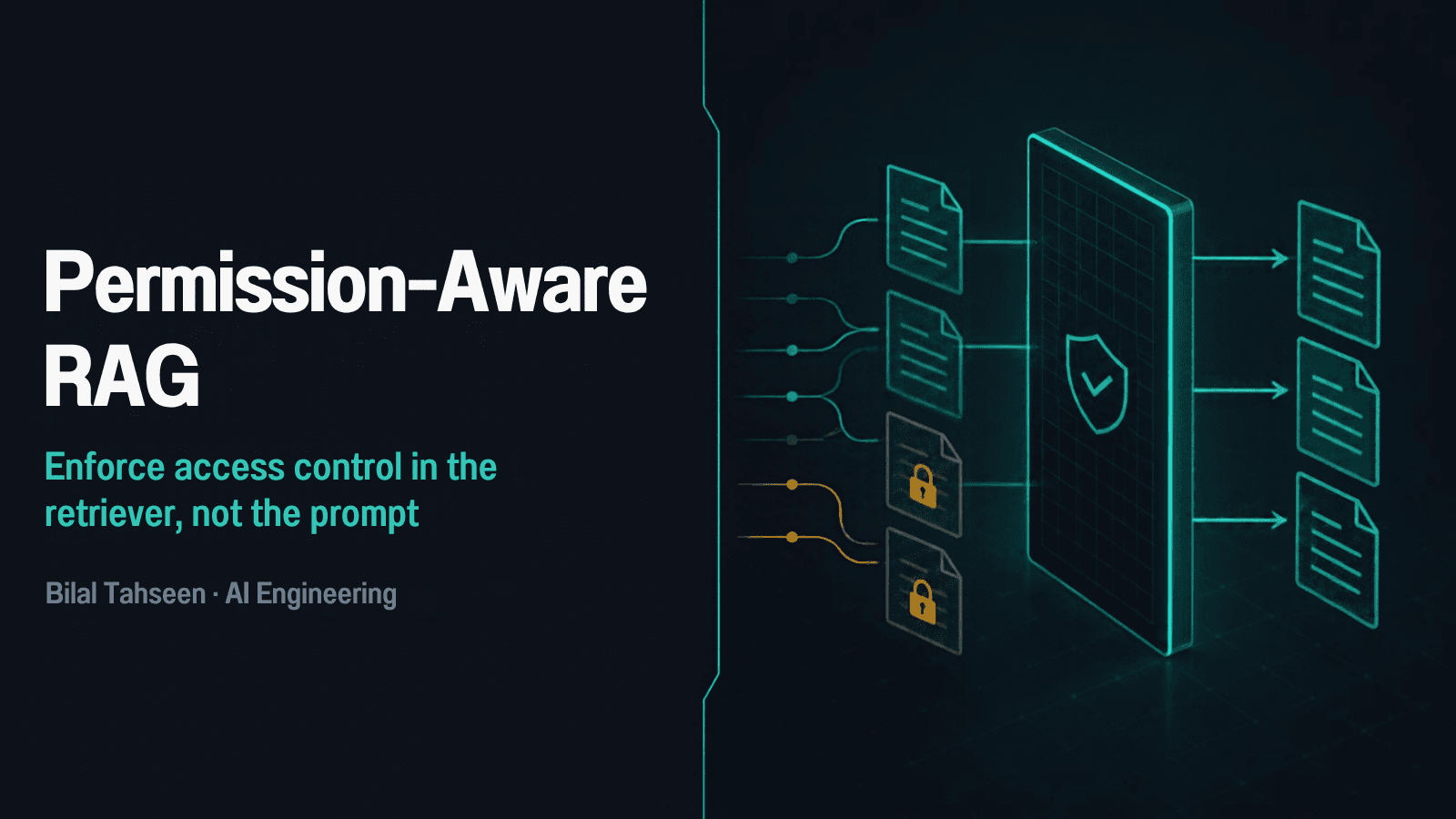
“Only answer from documents the user is allowed to see” is not a security control. Here's the ACL sync, principal resolver, pre-filter, and source-of-truth authz check I build before a RAG system touches a permissioned corpus.
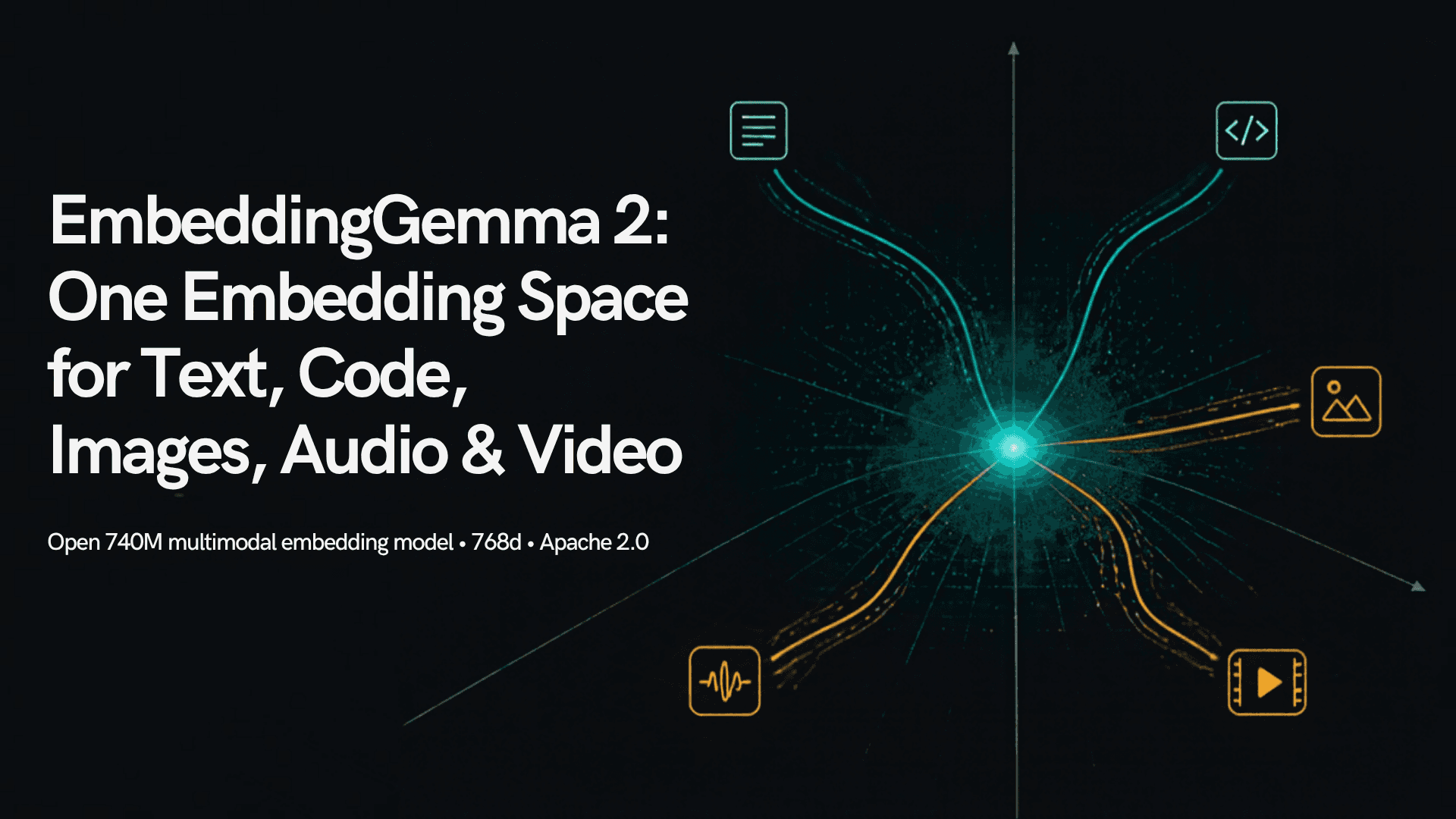
Google DeepMind's 740M multimodal embedder maps text, code, images, audio, and video into one 768-d space. Here's what changed from v1, how I actually call the official sentence-transformers API, and how I pick a Matryoshka dimension for RAG.
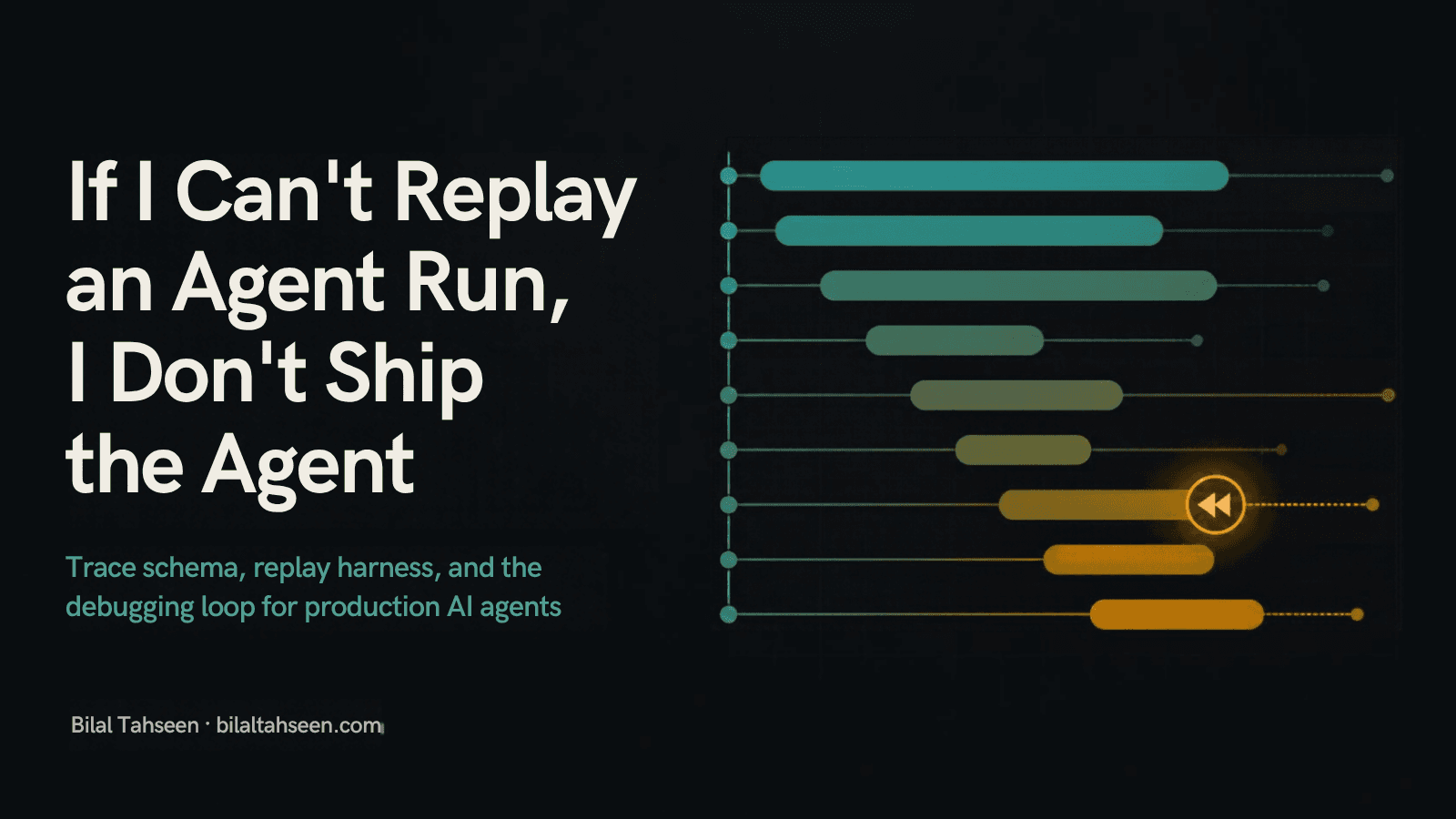
Logs and dashboards tell you an agent failed. They don't tell you why. Here's the trace schema, replay harness, and triage loop I require before a production AI agent goes live.
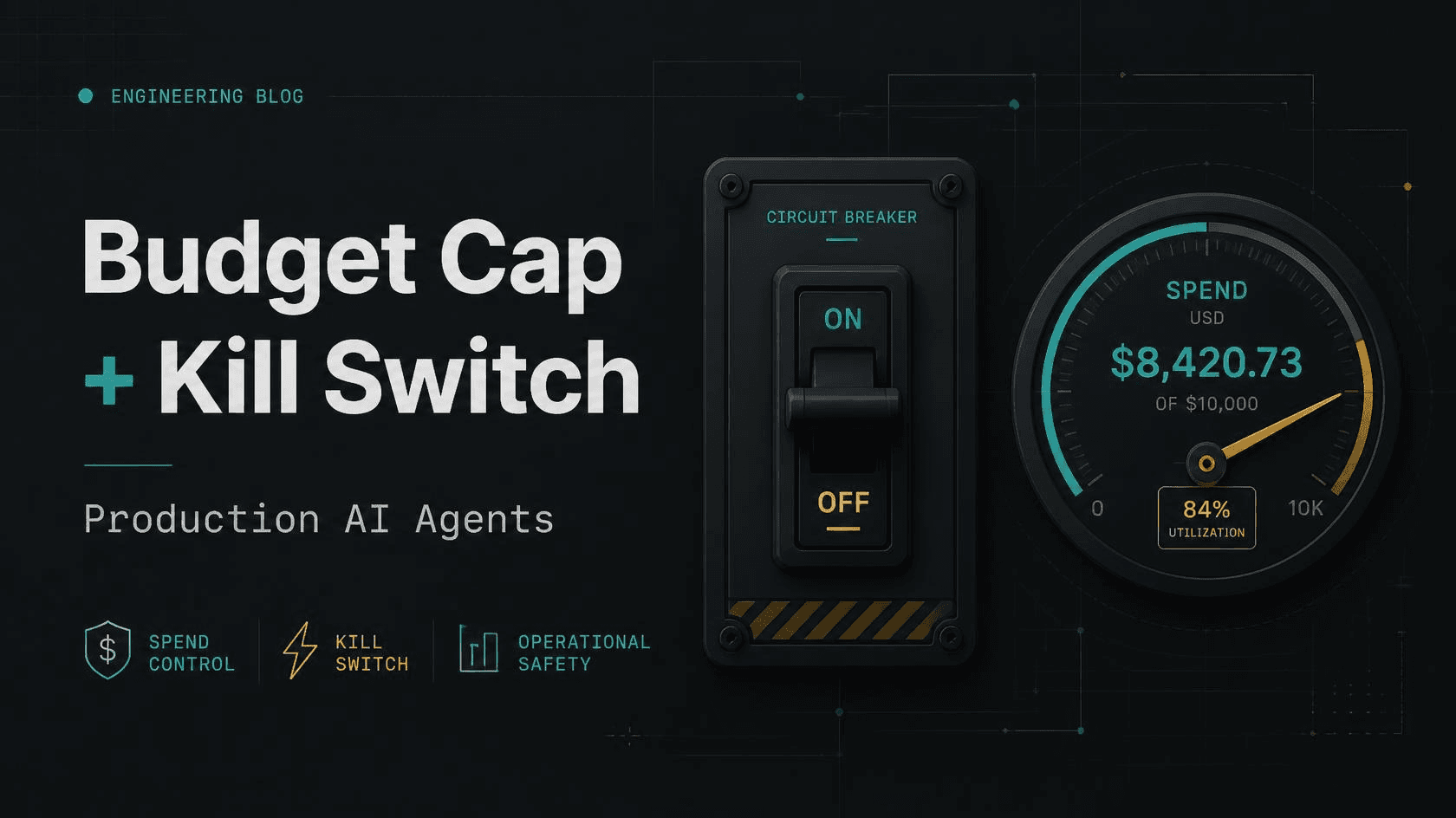
Prompt-level token limits don't stop runaway agents. Here's the per-run, per-tenant, and per-day budget ledger, degrade path, and kill switch I enforce outside the model.
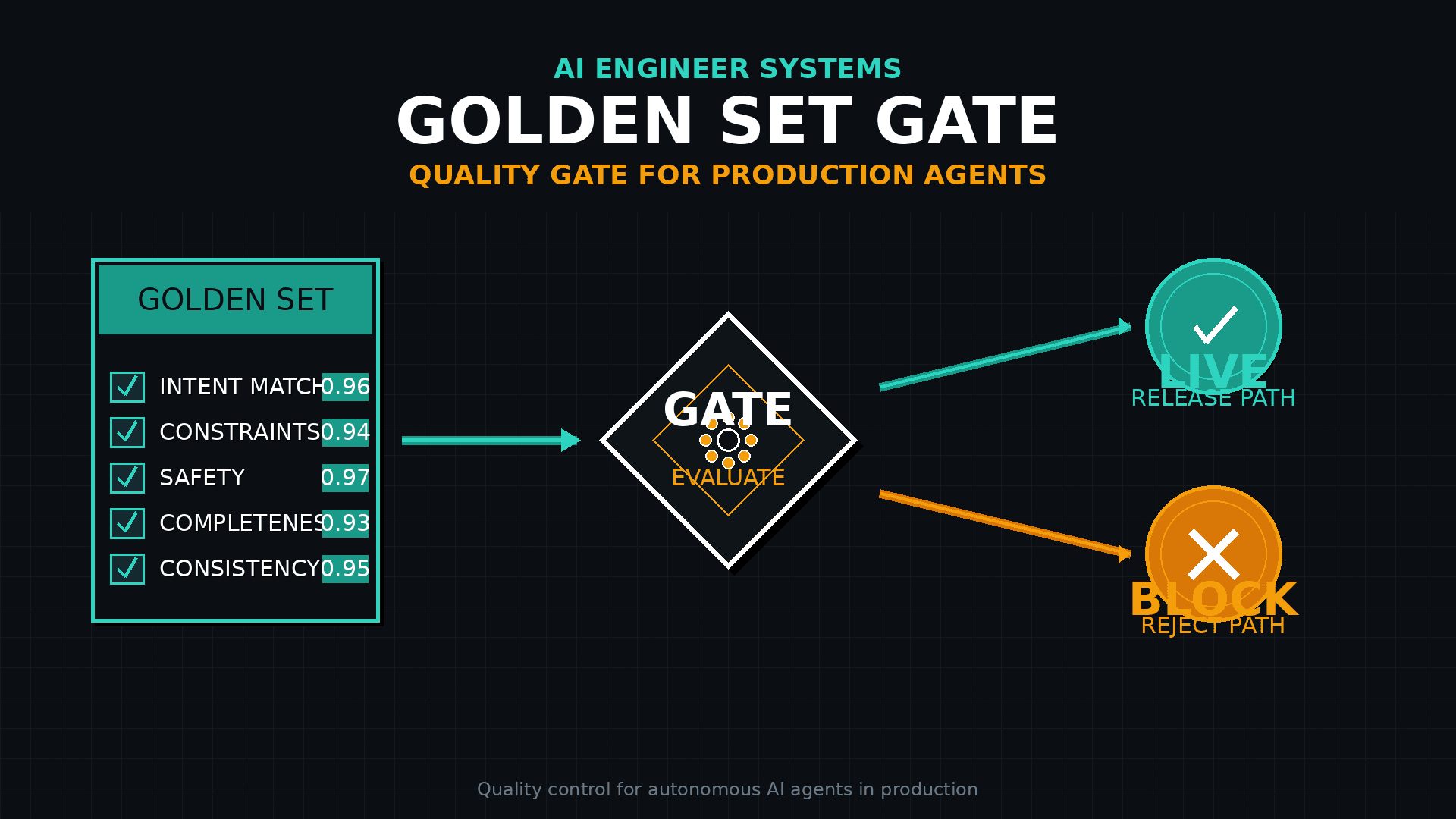
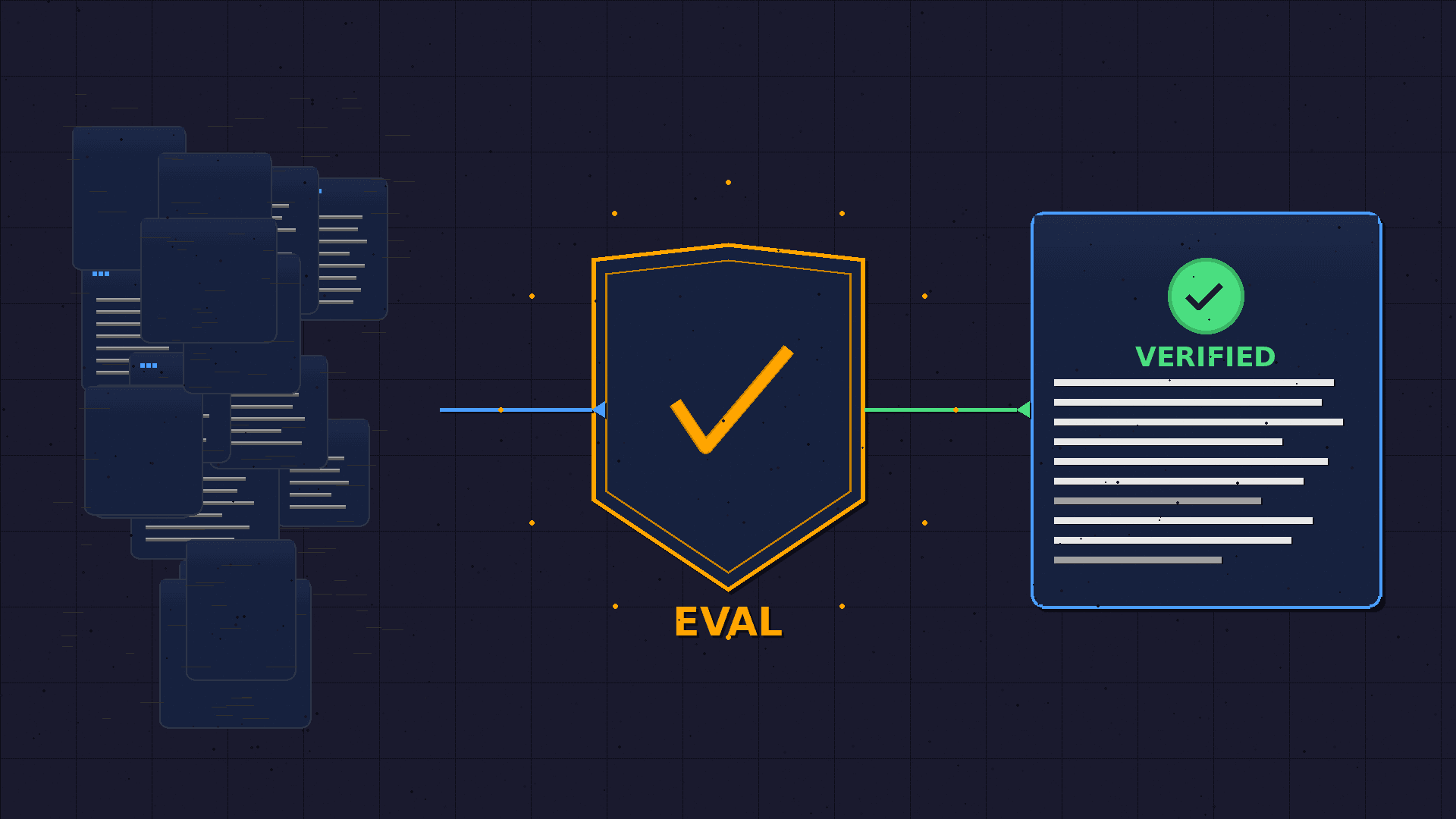
Demo days hide regressions. Here's the golden-set harness, score thresholds, and release gate I require before an agent touches production traffic.
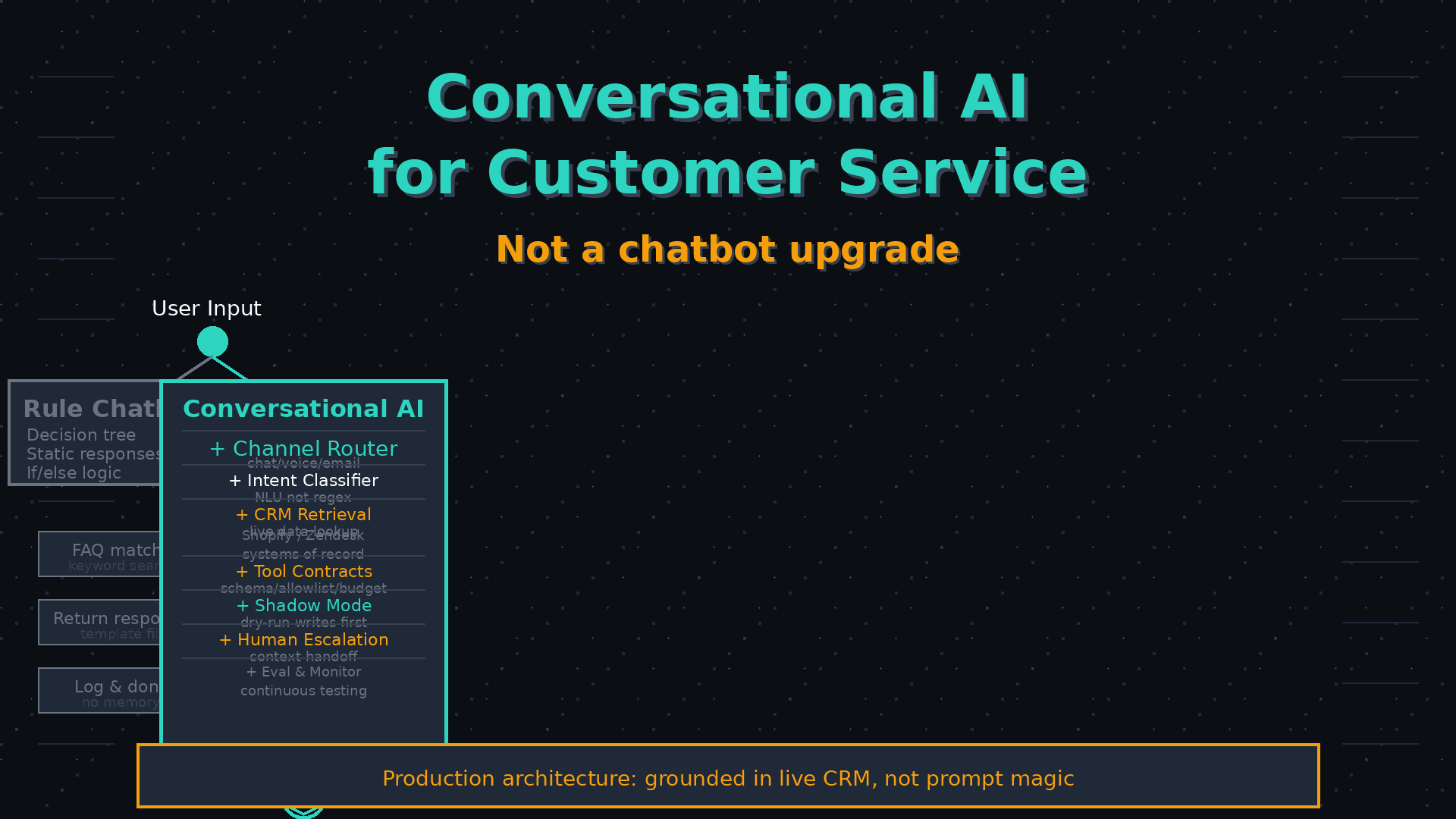
Buyers searching conversational AI for customer service usually get a chatbot demo. Here's the channel router, CRM grounding, tool contracts, and escalation path I actually ship — and when a rule bot is enough.
The real architecture for a customer support AI agent — LangGraph, RAG, safe tool-calling, and the production problems most guides leave out.
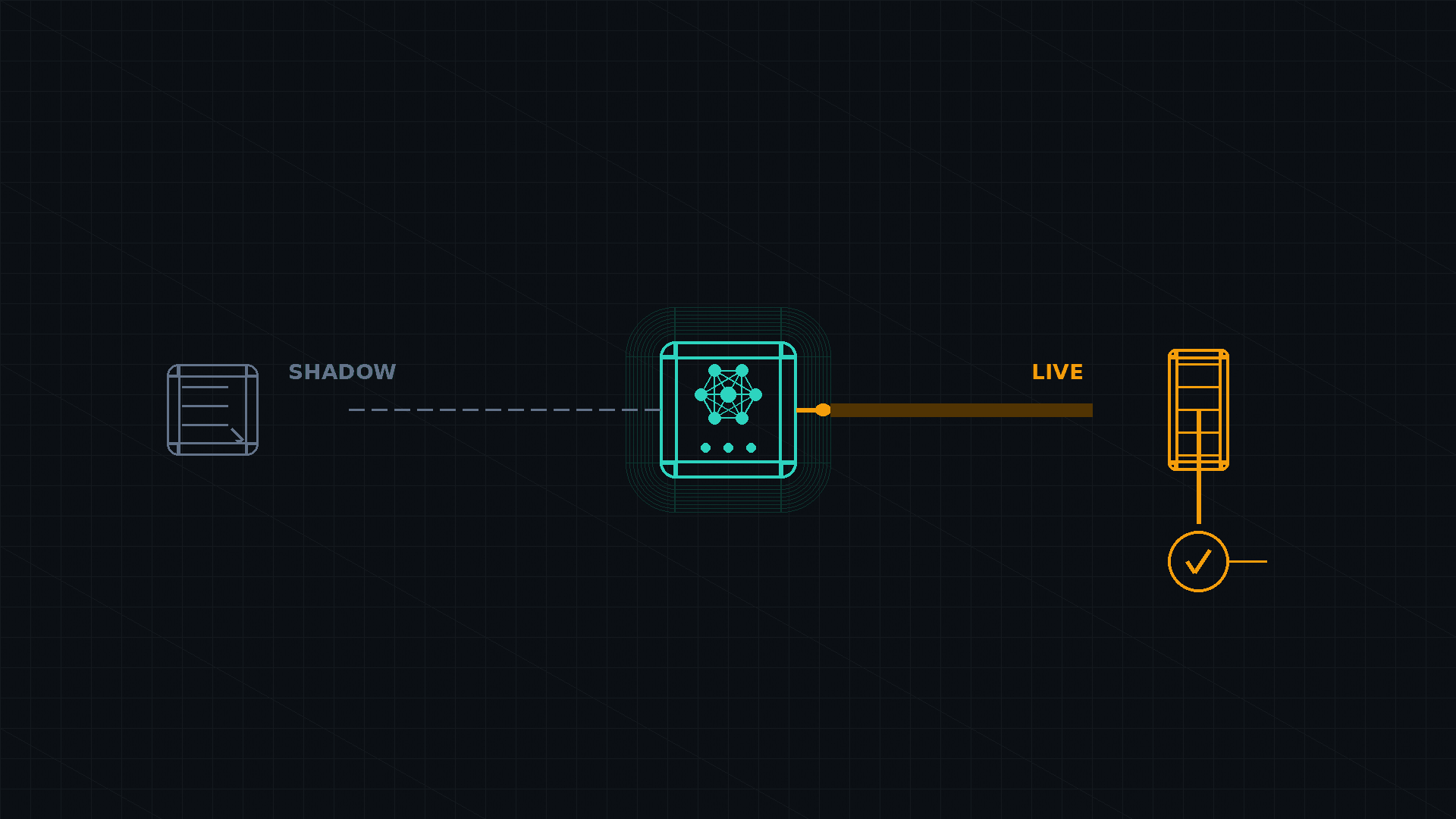
Production agents should dry-run every write against a shadow executor before they touch live state. Here's the mode router, diff gate, and promote path I use.
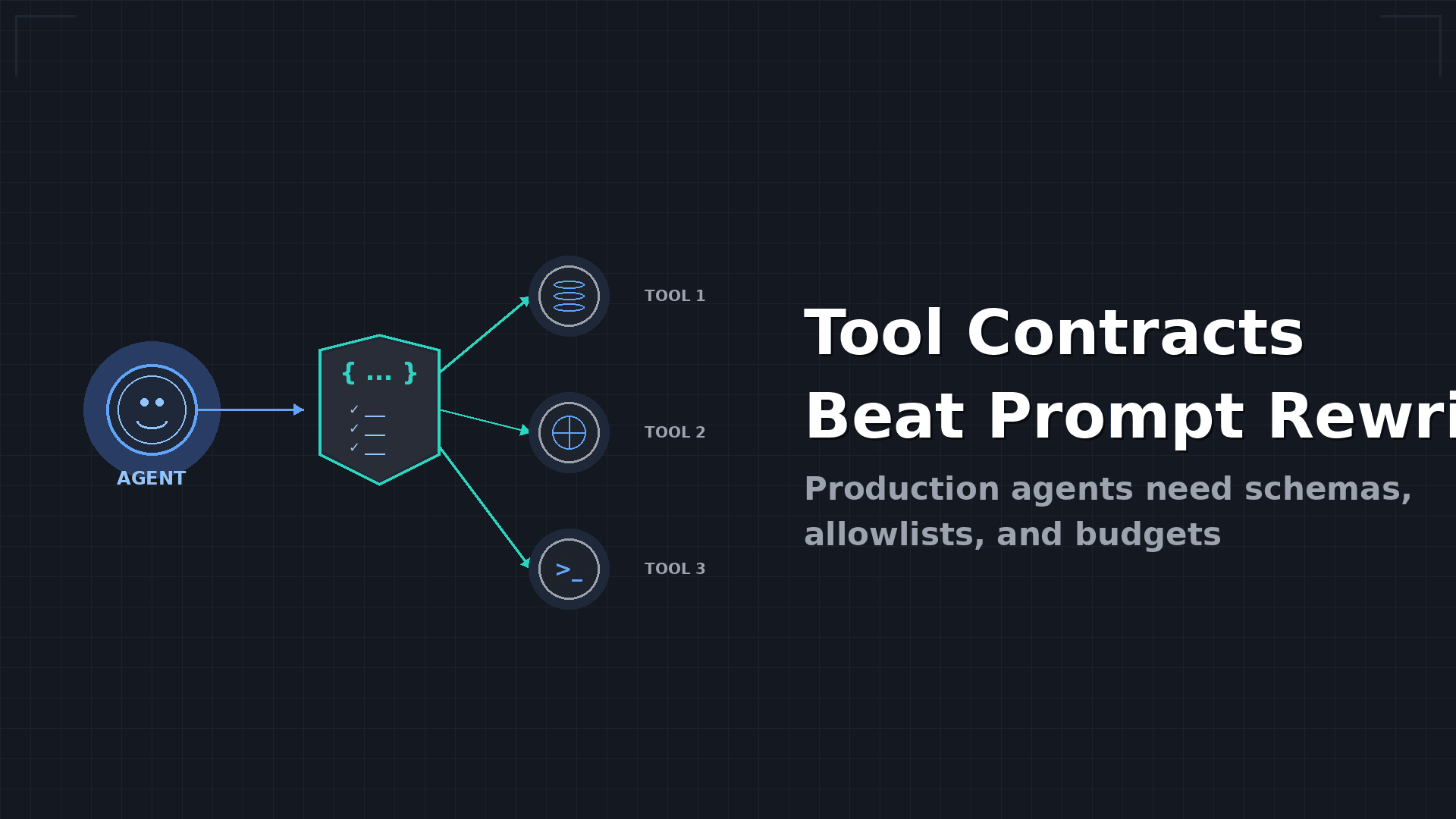
Production AI agents fail less when every tool call goes through a contract layer instead of another prompt rewrite. Here's the schema, allowlist, and budget system I use.
A demo that answers three cherry-picked questions is not an eval. Here's the small golden-set harness I use before I trust a retrieval stack.
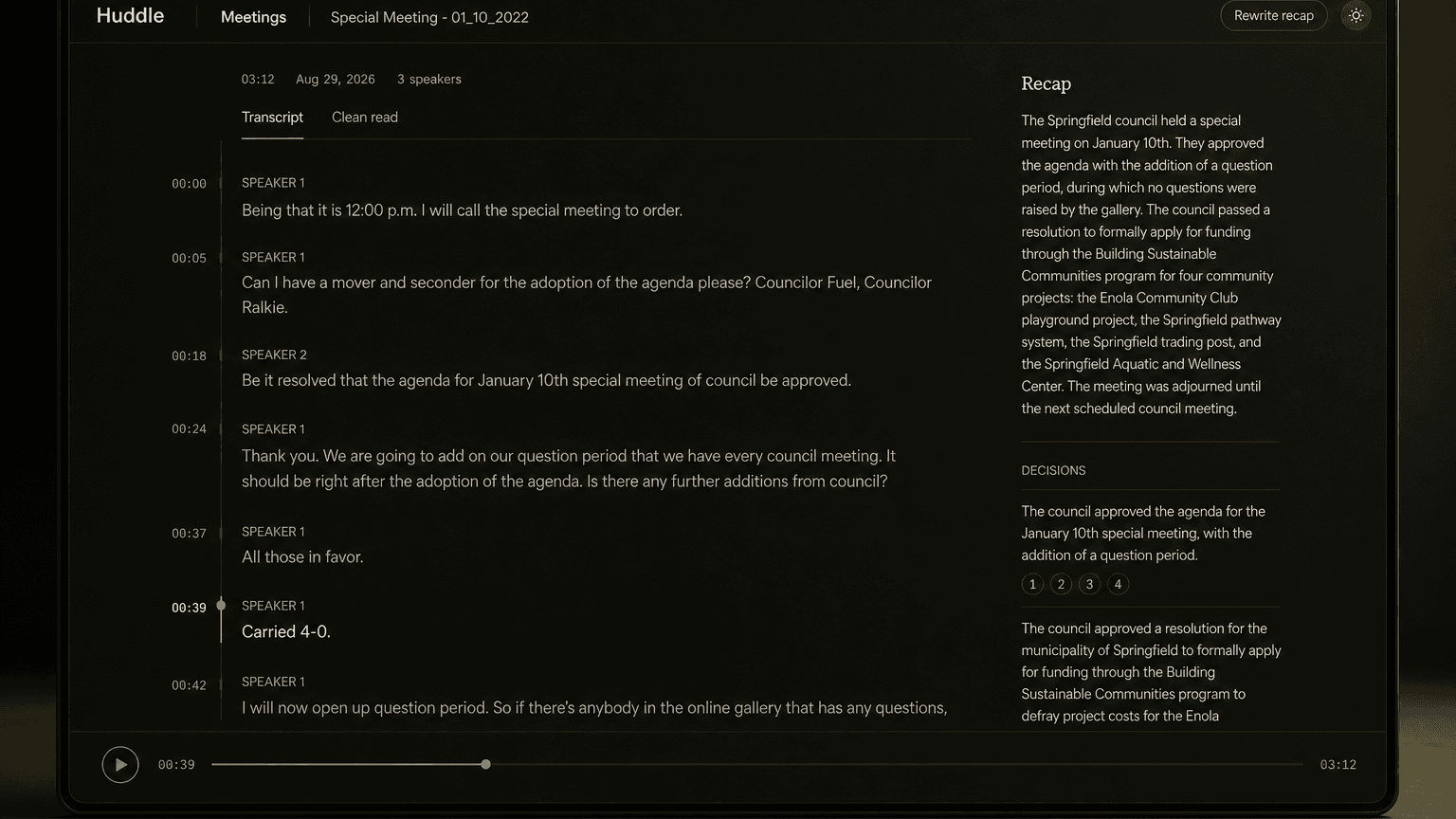
I spent a weekend on Huddle, a meeting copilot on Gemini 3.5 Transcribe. The interesting part was not the happy path. It was three things the API will not do at the same time.
Not every automation needs an LLM. Here's when a rules engine, a query, or a script is the better call — and when an agent actually earns its complexity.
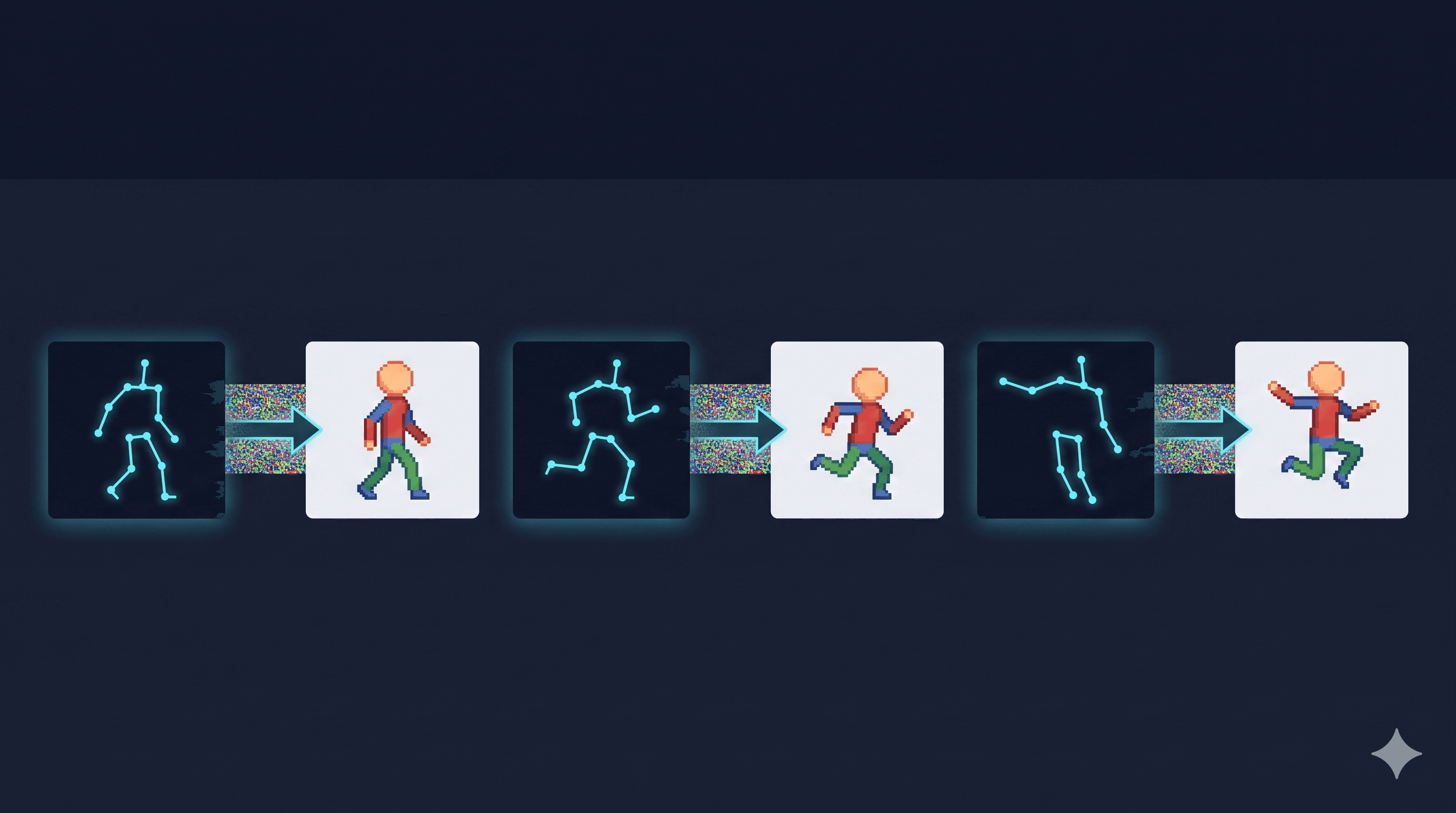
I built a pose-conditioned diffusion model from scratch in PyTorch — feed it a skeleton, get a 64×64 game sprite in that pose. Here's how the conditioning and training work.
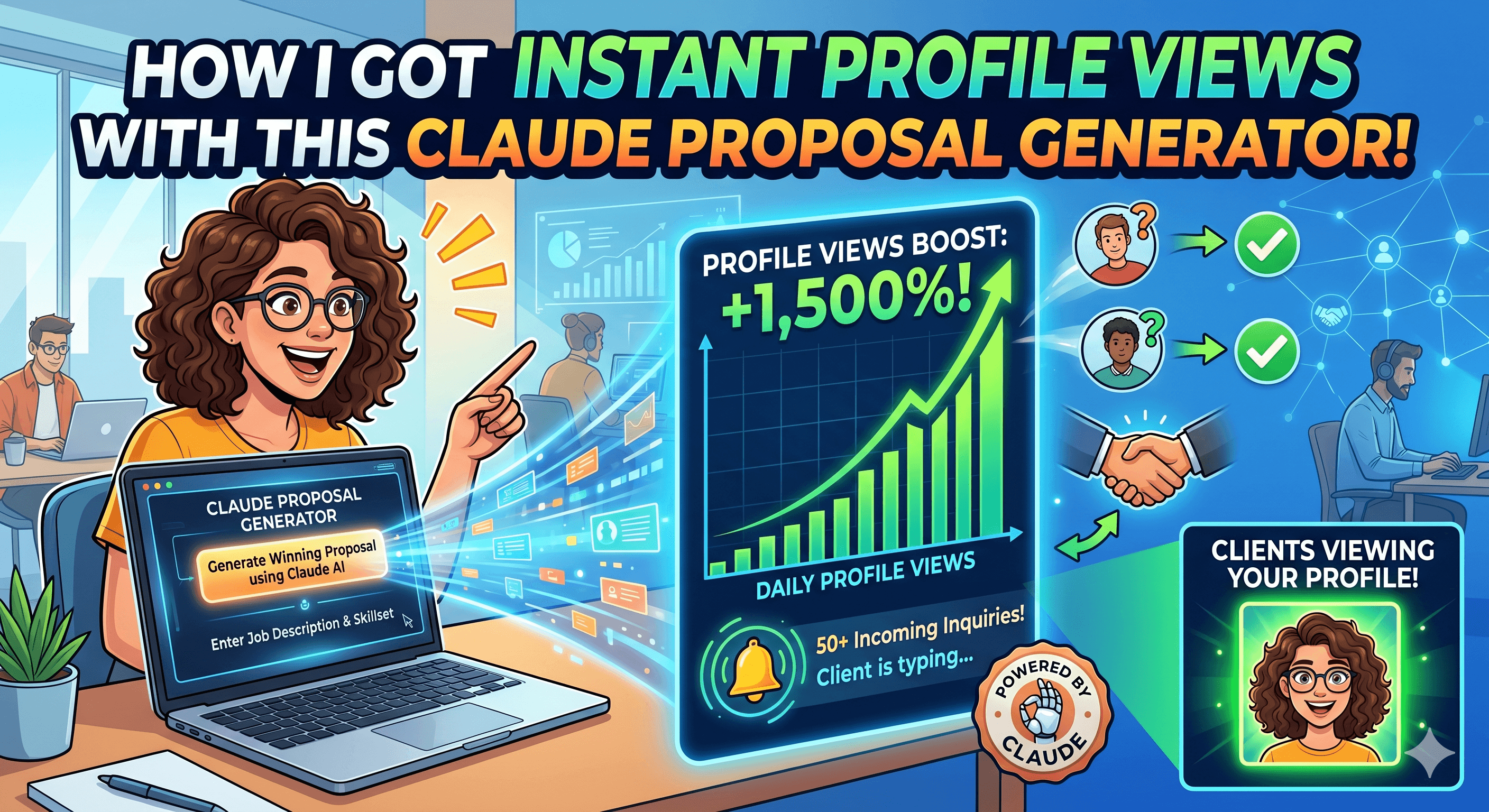
Stop guessing with your Upwork proposals. Here is the engineering-based approach to getting hired.
A Claude Code-powered multi-agent pipeline that analyzes a job, scores legitimacy and fit, retrieves evidence from your past projects, drafts a proposal, and self-critiques it — all before you read a single word.
Explore the top AI tools all in one website free of charge! Discover productivity boosters, design wizards, content creators, and more – without spending a dime.
Is your encryption future-ready? Discover quantum-proof crypto standards and how to protect your systems from quantum hacking threats.
Discover what's new in the iOS 26 update. Explore features, supported devices, performance improvements, and essential tips for Apple users in 2025.
Learn how to build isolated, secure sandboxes for AI agents using Docker and GKE. Eliminate prompt injection risks and manage context efficiently for data visualization tasks with Python, Pandas, and Plotly.